Buy powerbike.eu ?
We are moving the project
powerbike.eu .
Are you interested in purchasing the domain
powerbike.eu ?
domain@kv-gmbh.de · 0541-91531010
Buy powerbike.eu ?
What is the difference between combustion energy and combustion enthalpy?
Combustion energy refers to the total energy released during a combustion reaction, including both the heat and light energy. It is the total amount of energy released when a substance undergoes combustion. On the other hand, combustion enthalpy refers to the heat energy released during a combustion reaction at constant pressure. It is the heat change that occurs during the combustion process. In summary, combustion energy includes all forms of energy released during combustion, while combustion enthalpy specifically refers to the heat energy released at constant pressure. **
What is combustion?
Combustion is a chemical reaction that occurs when a substance reacts with oxygen to produce heat and light. This reaction typically involves the rapid oxidation of a fuel source, such as wood, gasoline, or natural gas. Combustion is a key process in many everyday activities, such as burning fuel for transportation, heating homes, and cooking food. It is also a major source of energy production in power plants and engines. **


Similar search terms for Combustion
Top-Angebote
Products related to Combustion:
-
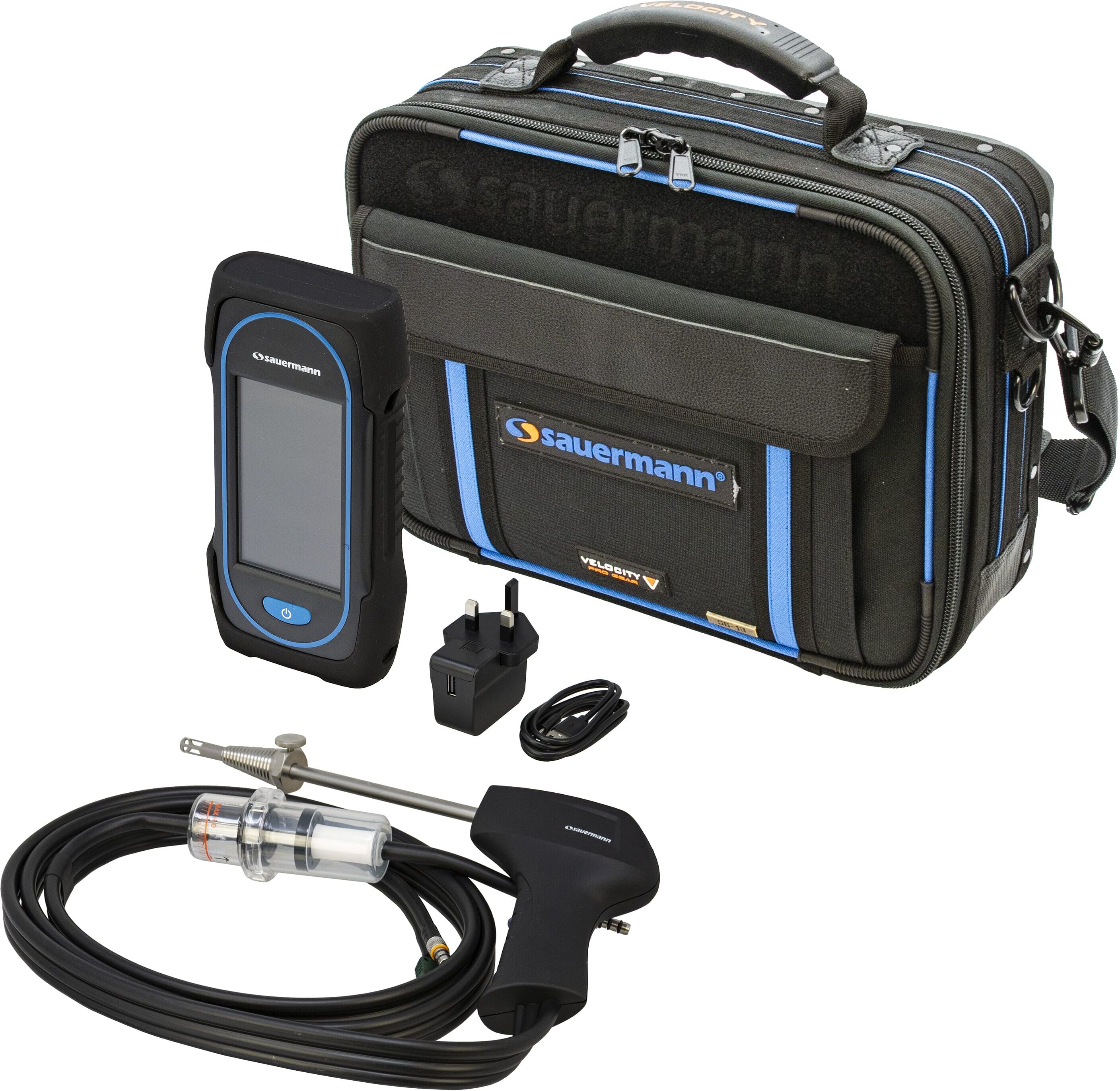
Sauermann Si-CA 130 Elite Combustion Flue Gas AnalyserSauermann Si-CA 130 Elite Combustion Flue Gas Analyser Multi-Gas Combustion Analysis for Residential & Commercial Systems The Sauermann Si-CA 130 Elite is an advanced combustion flue gas analyser in a compact, ergonomic package, built for residential and commercial gas system monitoring. The base unit ships with two field-replaceable sensors — O₂ and CO (up to 8,000 ppm) — with NO or low-range NO available to add a third sensor for accurate NOx measurement, including in low NOx or high moisture environments. Built-in diagnostics such as sensor life indicators and calibration reminders help minimise downtime. The analyser calculates CO₂ percentage, combustion efficiency and excess air, and measures draft and differential pressure. It also monitors CO and CO₂ in ambient air, giving a combined safety and performance tool for combustion e772,44 £*Shipping: 0,00 £Secure redirect to the provider
-
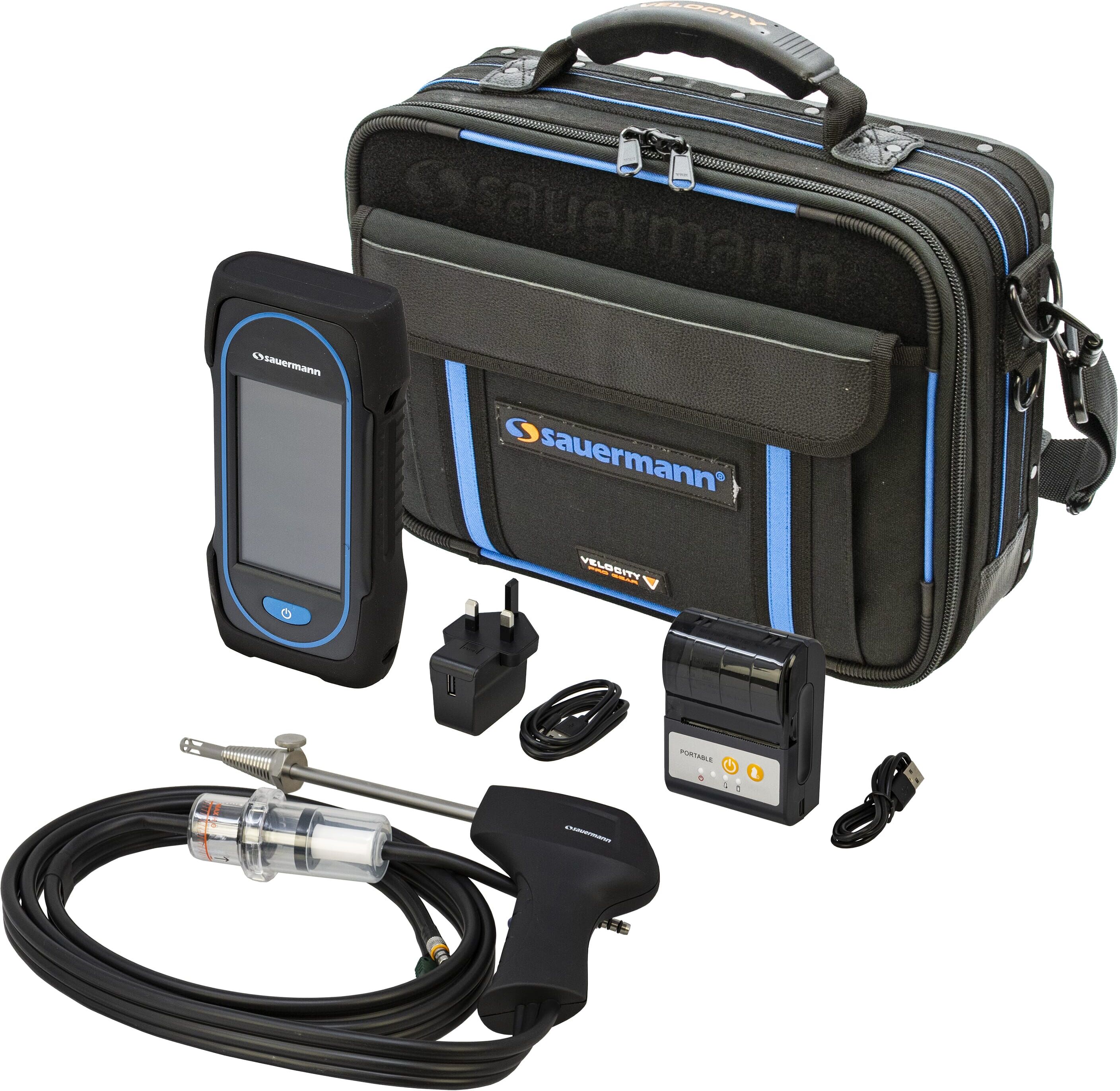
Sauermann Si-CA 130 Elite Combustion Flue Gas Analyser - Printer KitSauermann Si-CA 130 Elite Combustion Flue Gas Analyser – Printer Kit Multi-Gas Combustion Analysis for Residential & Commercial Systems The Sauermann Si-CA 130 Elite Printer Kit is an advanced combustion flue gas analyser in a compact, ergonomic package, built for residential and commercial gas system monitoring. The base unit ships with two field-replaceable sensors — O₂ and CO (up to 8,000 ppm) — with NO or low-range NO available to add a third sensor for accurate NOx measurement, including in low NOx or high moisture environments. Built-in diagnostics such as sensor life indicators and calibration reminders help minimise downtime. The analyser calculates CO₂ percentage, combustion efficiency and excess air, and measures draft and differential pressure. It also monitors CO and CO₂ in ambient air, giving a combined safety and perfo893,35 £*Shipping: 0,00 £Secure redirect to the provider
-
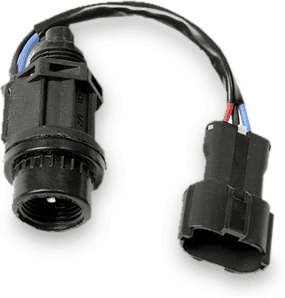
ENERGY CA0019S Speed sensorNumber of connectors: 3; Connector Shape: rectangular; Weight [kg]: 0,06; Vehicle Equipment: for vehicles with digital instrument cluster; Equipment Code: 816; TecDoc Engine Number: 4102, 4069, 9367, 4981, 4019, 4011, 4980, 4975, 11354, 4989, 4979, 4963, 4984, 9512, 15614, 9384, 3576, 4988, 4985, 9990, 5074, 5073, 5075, 5536, 17905, 5535, 9451, 9450, 9788, 16424, 9452, 9454, 9453, 9456, 22620, 17910, 10607, 9455, 15488, 15490, 15489, 16070, 13396, 4109; Transmission Type: 5-Speed Manual Transmission, Manual Transmission; Transmission ID: CHB/CHC/CHD/CHE; Vehicle Identification Number (VIN) to: ******8L*W*150000, ******1U*W*134200, ******1J*B*044157, ******1J*D*091223, ******1J*P*072544, ******1J*W*180709, ******1J*X*250000, 1J-B-044 157, 1J-D-091 223, 1J-P-072 544, 1J-W-180 7096,99 £*Shipping: 8,45 £Secure redirect to the provider
-
Ansmann Energy 16 Plus Speed Battery ChargerIntroducing the Ansmann Energy 16 Plus Speed Battery Charger - a versatile and efficient charging solution designed to meet the needs of both professional businesses and home consumers. This state-of-the-art charger is engineered to accommodate a wide range of battery sizes, including AA, AAA, C, D, and 9V cells, making it a highly adaptable option for numerous devices. Its capability to charge single cells independently, breaking the common limitation of requiring pairs for charging, sets it apart from many budget chargers on the market. This feature ensures maximum flexibility and efficiency in managing your charging needs. Key Features: Universal Compatibility: Charges AA, AAA, C, D, and 9V rechargeable batteries, catering to a broad spectrum of devices from remote controls to high-demand digital cameras. Individual Charging Slots: Unique ability to charge single cells, providing unparalleled convenience and reducing downtime. Fast Charging Technology: Equipped with advanced circuits to safely and quickly charge batteries, ensuring your devices are powered up in no time. Intelligent Microprocessor Control: Automatically detects the status of each battery, adjusting the charge to prevent overcharging and extend battery life. Multiple Safety Features: Includes overheat protection, short-circuit prevention, and a defective battery detection, guaranteeing a safe charging process. Dual USB Ports: 2 x 1A USB ports can charge external devices Technical Specifications: Input Voltage: 100-240V AC, suitable for global use. Charging Capacity: Up to 16 cells simultaneously (6 for D and C sizes, 4 for AA and AAA sizes, and 2 for 9V). Charge Indicators: Individual LED status indicators for each charging slot. Charging Times: Varies by battery type and capacity, with rapid charging technology for quick turnaround. Information on charging currents and maximum supported capacities AA charging current: 1000mA (applies when charging up to 12 batteries) AAA charging current: 400mA (applies when charging up to 12 batteries) C charging current: 1000mA (applies when charging up to 6 batteries) D charging current: 1000mA (applies when charging multiple batteries) 9V charging current: 60mA (applies when charging 1–2 batteries) USB output: 5V / 1000mA Common Use: Professional Equipment: Ideal for businesses requiring reliable performance in flashlights, cameras, and other professional gear. Home Electronics: Perfect for keeping household devices such as remote controls, toys, and portable audio equipment fully powered. Emergency Preparedness: Ensures readiness for emergencies by keeping a wide range of battery sizes charged for flashlights and radios. Environmental Impact: Reduces waste by extending the life of rechargeable batteries, contributing to a more sustainable lifestyle. The Ansmann Energy 16 Plus Speed Battery Charger stands out for its versatility, reliability, and efficiency. It offers an unparalleled charging solution with the ability to cater to a wide...87,95 £*Shipping: 2,49 £Secure redirect to the provider

-
What is the difference between complete combustion and incomplete combustion?
Complete combustion occurs when a fuel burns in the presence of sufficient oxygen, resulting in the production of carbon dioxide and water as the only byproducts. In contrast, incomplete combustion happens when there is insufficient oxygen present during the burning process, leading to the formation of carbon monoxide, carbon particles, and other harmful pollutants in addition to carbon dioxide and water. Complete combustion is more efficient and cleaner, while incomplete combustion is less efficient and produces more pollutants. **
-
What is produced during the combustion of a combustion engine?
During the combustion of a combustion engine, the primary products produced are carbon dioxide (CO2) and water (H2O). Additionally, small amounts of other gases such as carbon monoxide (CO), nitrogen oxides (NOx), and unburned hydrocarbons may also be produced. These emissions contribute to air pollution and have environmental impacts. Efforts are being made to reduce these emissions through the use of cleaner fuels and more efficient engine designs. **
-
What causes a low speed in an internal combustion engine?
A low speed in an internal combustion engine can be caused by a few different factors. One common cause is a problem with the fuel delivery system, such as a clogged fuel filter or a malfunctioning fuel pump, which can restrict the flow of fuel to the engine. Another possible cause is a problem with the ignition system, such as faulty spark plugs or a malfunctioning ignition coil, which can result in a weak spark and poor engine performance. Additionally, issues with the air intake system, such as a clogged air filter or a malfunctioning mass air flow sensor, can also lead to a low speed in an internal combustion engine. **
-
Where does the energy released during the combustion of gasoline go?
The energy released during the combustion of gasoline is primarily converted into heat energy. This heat energy is used to increase the temperature and pressure of the gases in the engine, which in turn drives the movement of the pistons. Some of the energy is also lost as waste heat through the exhaust system and cooling system of the vehicle. Additionally, a portion of the energy is converted into mechanical energy to propel the vehicle forward. **


How does energy production through nuclear fission differ from coal combustion?
Energy production through nuclear fission differs from coal combustion in several ways. First, nuclear fission involves the splitting of atoms to release energy, while coal combustion involves burning coal to release energy. Second, nuclear fission produces a much larger amount of energy per unit of fuel compared to coal combustion. Third, nuclear fission does not produce greenhouse gas emissions, while coal combustion releases carbon dioxide and other pollutants into the atmosphere. Finally, the waste produced from nuclear fission is highly radioactive and requires special handling and disposal, whereas coal combustion produces ash and other pollutants that also require proper disposal. **
'Hybrid or combustion engine?'
When deciding between a hybrid or combustion engine, it ultimately depends on your priorities and driving habits. Hybrid engines are more fuel-efficient and environmentally friendly, making them a good choice for city driving and stop-and-go traffic. On the other hand, combustion engines are typically more powerful and better suited for long-distance driving or towing heavy loads. Consider factors such as your daily commute, budget, and environmental concerns when choosing between the two. **
Top-Angebote
Products related to Combustion:
-
Kane KMCP35 Combustion Flexi Probe (CP35)Kane KMCP35 Combustion Flexi Probe (CP35) The Kane CP35 is a combustion probe with a flexible shaft and integral thermocouple, designed to reach awkward access points and test spots where a conventional solid probe won't fit. It has a 300mm flexible shaft, 8mm diameter, and a 1m neoprene hose. This probe is a direct accessory for Kane's 258 and 458s gas analysers. For other Kane models, the Kane SM11103 adapter is needed to ensure compatibility. Key Features & Benefits 300mm Flexible Shaft: Reaches difficult access points a rigid probe can't get into. 8mm Diameter: Slim design for insertion into various flue types. Integral Thermocouple: Simultaneous temperature measurement alongside combustion gas sampling.214,80 £*Shipping: 0,00 £Secure redirect to the provider
-
Sauermann Si-CA 030 Combustion Flue Gas Analyser - KIT2ACSauermann Si-CA 030 Combustion Flue Gas Analyser – KIT2AC The Sauermann Si-CA 030 is a compact combustion flue gas analyser built for heating engineers, gas installers and HVAC technicians carrying out boiler servicing, emissions monitoring and combustion efficiency testing on residential and commercial heating systems. It supports up to three gas sensors — O₂, CO (up to 8,000 ppm), and an optional NO sensor for calculating NOx — giving a comprehensive picture of combustion through CO₂ percentage, combustion efficiency, excess air and draft pressure. The colour display connects wirelessly to a phone via the Sauermann Combustion app, which allows remote control of the analyser, real-time monitoring, data logging and automatic report generation in PDF or CSV formats. Built for field use, the analyser weighs just 350g and comes with a445,13 £*Shipping: 0,00 £Secure redirect to the provider
-
Sauermann Si-CA 130 Elite Combustion Flue Gas AnalyserSauermann Si-CA 130 Elite Combustion Flue Gas Analyser Multi-Gas Combustion Analysis for Residential & Commercial Systems The Sauermann Si-CA 130 Elite is an advanced combustion flue gas analyser in a compact, ergonomic package, built for residential and commercial gas system monitoring. The base unit ships with two field-replaceable sensors — O₂ and CO (up to 8,000 ppm) — with NO or low-range NO available to add a third sensor for accurate NOx measurement, including in low NOx or high moisture environments. Built-in diagnostics such as sensor life indicators and calibration reminders help minimise downtime. The analyser calculates CO₂ percentage, combustion efficiency and excess air, and measures draft and differential pressure. It also monitors CO and CO₂ in ambient air, giving a combined safety and performance tool for combustion e772,44 £*Shipping: 0,00 £Secure redirect to the provider
-
Sauermann Si-CA 130 Elite Combustion Flue Gas Analyser - Printer KitSauermann Si-CA 130 Elite Combustion Flue Gas Analyser – Printer Kit Multi-Gas Combustion Analysis for Residential & Commercial Systems The Sauermann Si-CA 130 Elite Printer Kit is an advanced combustion flue gas analyser in a compact, ergonomic package, built for residential and commercial gas system monitoring. The base unit ships with two field-replaceable sensors — O₂ and CO (up to 8,000 ppm) — with NO or low-range NO available to add a third sensor for accurate NOx measurement, including in low NOx or high moisture environments. Built-in diagnostics such as sensor life indicators and calibration reminders help minimise downtime. The analyser calculates CO₂ percentage, combustion efficiency and excess air, and measures draft and differential pressure. It also monitors CO and CO₂ in ambient air, giving a combined safety and perfo893,35 £*Shipping: 0,00 £Secure redirect to the provider
-
What is the difference between combustion energy and combustion enthalpy?
Combustion energy refers to the total energy released during a combustion reaction, including both the heat and light energy. It is the total amount of energy released when a substance undergoes combustion. On the other hand, combustion enthalpy refers to the heat energy released during a combustion reaction at constant pressure. It is the heat change that occurs during the combustion process. In summary, combustion energy includes all forms of energy released during combustion, while combustion enthalpy specifically refers to the heat energy released at constant pressure. **
-
What is combustion?
Combustion is a chemical reaction that occurs when a substance reacts with oxygen to produce heat and light. This reaction typically involves the rapid oxidation of a fuel source, such as wood, gasoline, or natural gas. Combustion is a key process in many everyday activities, such as burning fuel for transportation, heating homes, and cooking food. It is also a major source of energy production in power plants and engines. **
-
What is the difference between complete combustion and incomplete combustion?
Complete combustion occurs when a fuel burns in the presence of sufficient oxygen, resulting in the production of carbon dioxide and water as the only byproducts. In contrast, incomplete combustion happens when there is insufficient oxygen present during the burning process, leading to the formation of carbon monoxide, carbon particles, and other harmful pollutants in addition to carbon dioxide and water. Complete combustion is more efficient and cleaner, while incomplete combustion is less efficient and produces more pollutants. **
-
What is produced during the combustion of a combustion engine?
During the combustion of a combustion engine, the primary products produced are carbon dioxide (CO2) and water (H2O). Additionally, small amounts of other gases such as carbon monoxide (CO), nitrogen oxides (NOx), and unburned hydrocarbons may also be produced. These emissions contribute to air pollution and have environmental impacts. Efforts are being made to reduce these emissions through the use of cleaner fuels and more efficient engine designs. **
Similar search terms for Combustion
-
ENERGY CA0019S Speed sensorNumber of connectors: 3; Connector Shape: rectangular; Weight [kg]: 0,06; Vehicle Equipment: for vehicles with digital instrument cluster; Equipment Code: 816; TecDoc Engine Number: 4102, 4069, 9367, 4981, 4019, 4011, 4980, 4975, 11354, 4989, 4979, 4963, 4984, 9512, 15614, 9384, 3576, 4988, 4985, 9990, 5074, 5073, 5075, 5536, 17905, 5535, 9451, 9450, 9788, 16424, 9452, 9454, 9453, 9456, 22620, 17910, 10607, 9455, 15488, 15490, 15489, 16070, 13396, 4109; Transmission Type: 5-Speed Manual Transmission, Manual Transmission; Transmission ID: CHB/CHC/CHD/CHE; Vehicle Identification Number (VIN) to: ******8L*W*150000, ******1U*W*134200, ******1J*B*044157, ******1J*D*091223, ******1J*P*072544, ******1J*W*180709, ******1J*X*250000, 1J-B-044 157, 1J-D-091 223, 1J-P-072 544, 1J-W-180 7096,99 £*Shipping: 8,45 £Secure redirect to the provider
-
Ansmann Energy 16 Plus Speed Battery ChargerIntroducing the Ansmann Energy 16 Plus Speed Battery Charger - a versatile and efficient charging solution designed to meet the needs of both professional businesses and home consumers. This state-of-the-art charger is engineered to accommodate a wide range of battery sizes, including AA, AAA, C, D, and 9V cells, making it a highly adaptable option for numerous devices. Its capability to charge single cells independently, breaking the common limitation of requiring pairs for charging, sets it apart from many budget chargers on the market. This feature ensures maximum flexibility and efficiency in managing your charging needs. Key Features: Universal Compatibility: Charges AA, AAA, C, D, and 9V rechargeable batteries, catering to a broad spectrum of devices from remote controls to high-demand digital cameras. Individual Charging Slots: Unique ability to charge single cells, providing unparalleled convenience and reducing downtime. Fast Charging Technology: Equipped with advanced circuits to safely and quickly charge batteries, ensuring your devices are powered up in no time. Intelligent Microprocessor Control: Automatically detects the status of each battery, adjusting the charge to prevent overcharging and extend battery life. Multiple Safety Features: Includes overheat protection, short-circuit prevention, and a defective battery detection, guaranteeing a safe charging process. Dual USB Ports: 2 x 1A USB ports can charge external devices Technical Specifications: Input Voltage: 100-240V AC, suitable for global use. Charging Capacity: Up to 16 cells simultaneously (6 for D and C sizes, 4 for AA and AAA sizes, and 2 for 9V). Charge Indicators: Individual LED status indicators for each charging slot. Charging Times: Varies by battery type and capacity, with rapid charging technology for quick turnaround. Information on charging currents and maximum supported capacities AA charging current: 1000mA (applies when charging up to 12 batteries) AAA charging current: 400mA (applies when charging up to 12 batteries) C charging current: 1000mA (applies when charging up to 6 batteries) D charging current: 1000mA (applies when charging multiple batteries) 9V charging current: 60mA (applies when charging 1–2 batteries) USB output: 5V / 1000mA Common Use: Professional Equipment: Ideal for businesses requiring reliable performance in flashlights, cameras, and other professional gear. Home Electronics: Perfect for keeping household devices such as remote controls, toys, and portable audio equipment fully powered. Emergency Preparedness: Ensures readiness for emergencies by keeping a wide range of battery sizes charged for flashlights and radios. Environmental Impact: Reduces waste by extending the life of rechargeable batteries, contributing to a more sustainable lifestyle. The Ansmann Energy 16 Plus Speed Battery Charger stands out for its versatility, reliability, and efficiency. It offers an unparalleled charging solution with the ability to cater to a wide...87,95 £*Shipping: 2,49 £Secure redirect to the provider
-
All Categories Goods Precision High Speed Steel Drill Tapered Shank Bridge Reamer Precision High Speed Steel Drill Tapered Shank Bridge ReamerUpgrade your workshop with the ultimate precision tool for metalworking and construction projects. This highspeed steel drill is designed for professionals and DIY enthusiasts who demand accuracy, durability, and smooth operation. Its tapered shank...43,97 $*Shipping: 0,00 $Secure redirect to the provider
-
Drop Dash Deals Precision Bridge Reamer Spiral High Speed Steel Cutting Tool Precision Bridge Reamer Spiral High Speed Steel Cutting ToolUpgrade your metalworking projects with the 1 pc of Precision Bridge Reamer, engineered for craftsmen who demand accuracy and durability. This highquality tool features a spiral reamer design crafted from quenched highspeed steel, ensuring...45,97 $*Shipping: 0,00 $Secure redirect to the provider
-
What causes a low speed in an internal combustion engine?
A low speed in an internal combustion engine can be caused by a few different factors. One common cause is a problem with the fuel delivery system, such as a clogged fuel filter or a malfunctioning fuel pump, which can restrict the flow of fuel to the engine. Another possible cause is a problem with the ignition system, such as faulty spark plugs or a malfunctioning ignition coil, which can result in a weak spark and poor engine performance. Additionally, issues with the air intake system, such as a clogged air filter or a malfunctioning mass air flow sensor, can also lead to a low speed in an internal combustion engine. **
-
Where does the energy released during the combustion of gasoline go?
The energy released during the combustion of gasoline is primarily converted into heat energy. This heat energy is used to increase the temperature and pressure of the gases in the engine, which in turn drives the movement of the pistons. Some of the energy is also lost as waste heat through the exhaust system and cooling system of the vehicle. Additionally, a portion of the energy is converted into mechanical energy to propel the vehicle forward. **
-
How does energy production through nuclear fission differ from coal combustion?
Energy production through nuclear fission differs from coal combustion in several ways. First, nuclear fission involves the splitting of atoms to release energy, while coal combustion involves burning coal to release energy. Second, nuclear fission produces a much larger amount of energy per unit of fuel compared to coal combustion. Third, nuclear fission does not produce greenhouse gas emissions, while coal combustion releases carbon dioxide and other pollutants into the atmosphere. Finally, the waste produced from nuclear fission is highly radioactive and requires special handling and disposal, whereas coal combustion produces ash and other pollutants that also require proper disposal. **
-
'Hybrid or combustion engine?'
When deciding between a hybrid or combustion engine, it ultimately depends on your priorities and driving habits. Hybrid engines are more fuel-efficient and environmentally friendly, making them a good choice for city driving and stop-and-go traffic. On the other hand, combustion engines are typically more powerful and better suited for long-distance driving or towing heavy loads. Consider factors such as your daily commute, budget, and environmental concerns when choosing between the two. **
* All prices are inclusive of VAT and, if applicable, plus shipping costs. The offer information is based on the details provided by the respective shop and is updated through automated processes. Real-time updates do not occur, so deviations can occur in individual cases. ** Note: Parts of this content were created by AI.