Buy powerbike.eu ?
We are moving the project
powerbike.eu .
Are you interested in purchasing the domain
powerbike.eu ?
domain@kv-gmbh.de · 0541-91531010
Buy powerbike.eu ?
Isn't thermal energy kinetic energy?
Thermal energy is actually a form of internal energy within a system due to the motion of its particles. While kinetic energy is associated with the motion of an object as a whole, thermal energy is related to the random motion of particles within a substance. So, while thermal energy involves kinetic energy at the microscopic level, it is not the same as the kinetic energy of an object in motion. **
What is the difference between thermal energy and thermal power?
Thermal energy refers to the internal energy present in a system due to the motion and interaction of its particles. It is a measure of the total kinetic and potential energy of the particles in a substance. On the other hand, thermal power refers to the rate at which thermal energy is transferred or converted into other forms of energy, such as mechanical or electrical energy. It is a measure of the amount of thermal energy transferred per unit of time. In summary, thermal energy is the total energy present in a system, while thermal power is the rate at which thermal energy is transferred or converted. **

Similar search terms for Thermal
Top-Angebote
Products related to Thermal:
-
Ansmann Energy 16 Plus Speed Battery ChargerIntroducing the Ansmann Energy 16 Plus Speed Battery Charger - a versatile and efficient charging solution designed to meet the needs of both professional businesses and home consumers. This state-of-the-art charger is engineered to accommodate a wide range of battery sizes, including AA, AAA, C, D, and 9V cells, making it a highly adaptable option for numerous devices. Its capability to charge single cells independently, breaking the common limitation of requiring pairs for charging, sets it apart from many budget chargers on the market. This feature ensures maximum flexibility and efficiency in managing your charging needs. Key Features: Universal Compatibility: Charges AA, AAA, C, D, and 9V rechargeable batteries, catering to a broad spectrum of devices from remote controls to high-demand digital cameras. Individual Charging Slots: Unique ability to charge single cells, providing unparalleled convenience and reducing downtime. Fast Charging Technology: Equipped with advanced circuits to safely and quickly charge batteries, ensuring your devices are powered up in no time. Intelligent Microprocessor Control: Automatically detects the status of each battery, adjusting the charge to prevent overcharging and extend battery life. Multiple Safety Features: Includes overheat protection, short-circuit prevention, and a defective battery detection, guaranteeing a safe charging process. Dual USB Ports: 2 x 1A USB ports can charge external devices Technical Specifications: Input Voltage: 100-240V AC, suitable for global use. Charging Capacity: Up to 16 cells simultaneously (6 for D and C sizes, 4 for AA and AAA sizes, and 2 for 9V). Charge Indicators: Individual LED status indicators for each charging slot. Charging Times: Varies by battery type and capacity, with rapid charging technology for quick turnaround. Information on charging currents and maximum supported capacities AA charging current: 1000mA (applies when charging up to 12 batteries) AAA charging current: 400mA (applies when charging up to 12 batteries) C charging current: 1000mA (applies when charging up to 6 batteries) D charging current: 1000mA (applies when charging multiple batteries) 9V charging current: 60mA (applies when charging 1–2 batteries) USB output: 5V / 1000mA Common Use: Professional Equipment: Ideal for businesses requiring reliable performance in flashlights, cameras, and other professional gear. Home Electronics: Perfect for keeping household devices such as remote controls, toys, and portable audio equipment fully powered. Emergency Preparedness: Ensures readiness for emergencies by keeping a wide range of battery sizes charged for flashlights and radios. Environmental Impact: Reduces waste by extending the life of rechargeable batteries, contributing to a more sustainable lifestyle. The Ansmann Energy 16 Plus Speed Battery Charger stands out for its versatility, reliability, and efficiency. It offers an unparalleled charging solution with the ability to cater to a wide...87,95 £*Shipping: 2,49 £Secure redirect to the provider
-
Olivia Garden NanoThermic Ceramic + Ion Thermal Speed XL Brush 1 3/4 InchThe NanoThermic Speed XL Brush collection is the ultimate solution for achieving a superior and long-lasting hairstyle. With the latest ceramic technology, the ceramic coated barrel heats up faster and retains heat longer, providing faster and...33,95 $*Shipping: 0,00 $Secure redirect to the provider
-
ilyeco Diamond Tester Pen, High Precision Thermal Conductivity Tool For Verifying Diamonds, Jadeite, And Diamond Tester Pen, High Precision Thermal Conductivity Tool For Verifying Diamonds, Jadeite, AndEnsure the authenticity of your gemstones with the STONEGO Thermal Conductor Diamond Pen Hardness Tester. This portable and userfriendly tool is designed to accurately distinguish real diamonds, jadeite, and jade from imitations, making it an...34,97 $*Shipping: 0,00 $Secure redirect to the provider
-
Lush Living Finds Thermal Insulated Door Curtain Windproof Energy Saving Room Partition black 90x210cmKeep unwanted drafts out and comfort in all year round. This 1 pc of thermal door curtain is designed to stabilize indoor temperatures while improving everyday comfort. Ideal for homes seeking better insulation without permanent installation, it...53,97 $*Shipping: 0,00 $Secure redirect to the provider


-
What is thermal energy in physics?
Thermal energy in physics refers to the internal energy present in a system due to the motion and vibration of its particles. It is a form of kinetic energy that results from the temperature of an object or substance. The higher the temperature of a system, the greater its thermal energy. Thermal energy plays a crucial role in various phenomena such as heat transfer, phase changes, and thermodynamics. **
-
How is light energy converted into thermal energy?
Light energy is converted into thermal energy through a process called absorption. When an object absorbs light, the energy from the light is converted into heat energy, causing the object to warm up. This is because the photons in the light transfer their energy to the atoms and molecules in the object, increasing their kinetic energy and causing them to vibrate, which we perceive as heat. The more light energy absorbed by an object, the more thermal energy it will produce. **
-
How does thermal energy differ from electrical energy?
Thermal energy is the energy that comes from the heat of an object or substance, while electrical energy is the energy that comes from the movement of electrons. Thermal energy is typically generated by the movement of atoms and molecules within a substance, while electrical energy is generated by the flow of electric charge. In terms of usage, thermal energy is often used for heating and cooking, while electrical energy is used to power electronic devices and appliances. Additionally, thermal energy can be converted into electrical energy through processes like thermoelectric generation, but the reverse is not as straightforward. **
-
How is efficiency related to thermal energy?
Efficiency is related to thermal energy in the context of energy conversion processes. In many systems, thermal energy is used to produce work or electricity. The efficiency of these systems is a measure of how much of the thermal energy input is converted into useful work or electricity. Higher efficiency means that more of the thermal energy is being effectively utilized, while lower efficiency indicates that more of the thermal energy is being wasted as heat. **


Why don't we all use thermal energy?
We don't all use thermal energy as our primary source of energy because it can be difficult and expensive to harness and convert into usable forms of energy. Additionally, thermal energy is often location-specific, meaning it may not be readily available in all areas. Furthermore, there are other sources of energy, such as fossil fuels and renewable energy sources, that have been more widely developed and utilized. However, as technology advances and the need for sustainable energy sources grows, there may be an increasing focus on harnessing and utilizing thermal energy in the future. **
Into what can thermal energy be converted?
Thermal energy can be converted into other forms of energy such as mechanical energy, electrical energy, and chemical energy. For example, thermal energy can be used to generate steam, which can then be used to drive a turbine and generate electrical energy. It can also be used in processes such as heating water to produce hot water or steam for heating systems. Additionally, thermal energy can be used in chemical reactions to produce new substances or to drive chemical processes. **
Top-Angebote
Products related to Thermal:
-
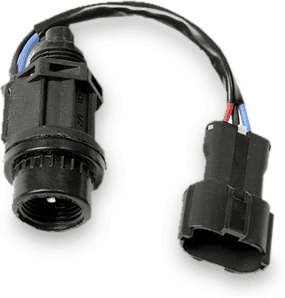
ENERGY CA0019S Speed sensorNumber of connectors: 3; Connector Shape: rectangular; Weight [kg]: 0,06; Vehicle Equipment: for vehicles with digital instrument cluster; Equipment Code: 816; TecDoc Engine Number: 4102, 4069, 9367, 4981, 4019, 4011, 4980, 4975, 11354, 4989, 4979, 4963, 4984, 9512, 15614, 9384, 3576, 4988, 4985, 9990, 5074, 5073, 5075, 5536, 17905, 5535, 9451, 9450, 9788, 16424, 9452, 9454, 9453, 9456, 22620, 17910, 10607, 9455, 15488, 15490, 15489, 16070, 13396, 4109; Transmission Type: 5-Speed Manual Transmission, Manual Transmission; Transmission ID: CHB/CHC/CHD/CHE; Vehicle Identification Number (VIN) to: ******8L*W*150000, ******1U*W*134200, ******1J*B*044157, ******1J*D*091223, ******1J*P*072544, ******1J*W*180709, ******1J*X*250000, 1J-B-044 157, 1J-D-091 223, 1J-P-072 544, 1J-W-180 7096,99 £*Shipping: 8,45 £Secure redirect to the provider
-
Uplifted Finds 390ML Double Layer Borosilicate Tea Infuser High Performance Thermal Tumbler With Precision Filter blackCommand ultimate beverage temperature confidence with this 390ML Tea Water Bottle, a highperformance thermal solution specifically engineered to act as a comprehensive tool for elite liquid preservation and superior modern aesthetics. Built with a...138,97 $*Shipping: 0,00 $Secure redirect to the provider
-
Ansmann Energy 16 Plus Speed Battery ChargerIntroducing the Ansmann Energy 16 Plus Speed Battery Charger - a versatile and efficient charging solution designed to meet the needs of both professional businesses and home consumers. This state-of-the-art charger is engineered to accommodate a wide range of battery sizes, including AA, AAA, C, D, and 9V cells, making it a highly adaptable option for numerous devices. Its capability to charge single cells independently, breaking the common limitation of requiring pairs for charging, sets it apart from many budget chargers on the market. This feature ensures maximum flexibility and efficiency in managing your charging needs. Key Features: Universal Compatibility: Charges AA, AAA, C, D, and 9V rechargeable batteries, catering to a broad spectrum of devices from remote controls to high-demand digital cameras. Individual Charging Slots: Unique ability to charge single cells, providing unparalleled convenience and reducing downtime. Fast Charging Technology: Equipped with advanced circuits to safely and quickly charge batteries, ensuring your devices are powered up in no time. Intelligent Microprocessor Control: Automatically detects the status of each battery, adjusting the charge to prevent overcharging and extend battery life. Multiple Safety Features: Includes overheat protection, short-circuit prevention, and a defective battery detection, guaranteeing a safe charging process. Dual USB Ports: 2 x 1A USB ports can charge external devices Technical Specifications: Input Voltage: 100-240V AC, suitable for global use. Charging Capacity: Up to 16 cells simultaneously (6 for D and C sizes, 4 for AA and AAA sizes, and 2 for 9V). Charge Indicators: Individual LED status indicators for each charging slot. Charging Times: Varies by battery type and capacity, with rapid charging technology for quick turnaround. Information on charging currents and maximum supported capacities AA charging current: 1000mA (applies when charging up to 12 batteries) AAA charging current: 400mA (applies when charging up to 12 batteries) C charging current: 1000mA (applies when charging up to 6 batteries) D charging current: 1000mA (applies when charging multiple batteries) 9V charging current: 60mA (applies when charging 1–2 batteries) USB output: 5V / 1000mA Common Use: Professional Equipment: Ideal for businesses requiring reliable performance in flashlights, cameras, and other professional gear. Home Electronics: Perfect for keeping household devices such as remote controls, toys, and portable audio equipment fully powered. Emergency Preparedness: Ensures readiness for emergencies by keeping a wide range of battery sizes charged for flashlights and radios. Environmental Impact: Reduces waste by extending the life of rechargeable batteries, contributing to a more sustainable lifestyle. The Ansmann Energy 16 Plus Speed Battery Charger stands out for its versatility, reliability, and efficiency. It offers an unparalleled charging solution with the ability to cater to a wide...87,95 £*Shipping: 2,49 £Secure redirect to the provider
-
Olivia Garden NanoThermic Ceramic + Ion Thermal Speed XL Brush 1 3/4 InchThe NanoThermic Speed XL Brush collection is the ultimate solution for achieving a superior and long-lasting hairstyle. With the latest ceramic technology, the ceramic coated barrel heats up faster and retains heat longer, providing faster and...33,95 $*Shipping: 0,00 $Secure redirect to the provider
-
Isn't thermal energy kinetic energy?
Thermal energy is actually a form of internal energy within a system due to the motion of its particles. While kinetic energy is associated with the motion of an object as a whole, thermal energy is related to the random motion of particles within a substance. So, while thermal energy involves kinetic energy at the microscopic level, it is not the same as the kinetic energy of an object in motion. **
-
What is the difference between thermal energy and thermal power?
Thermal energy refers to the internal energy present in a system due to the motion and interaction of its particles. It is a measure of the total kinetic and potential energy of the particles in a substance. On the other hand, thermal power refers to the rate at which thermal energy is transferred or converted into other forms of energy, such as mechanical or electrical energy. It is a measure of the amount of thermal energy transferred per unit of time. In summary, thermal energy is the total energy present in a system, while thermal power is the rate at which thermal energy is transferred or converted. **
-
What is thermal energy in physics?
Thermal energy in physics refers to the internal energy present in a system due to the motion and vibration of its particles. It is a form of kinetic energy that results from the temperature of an object or substance. The higher the temperature of a system, the greater its thermal energy. Thermal energy plays a crucial role in various phenomena such as heat transfer, phase changes, and thermodynamics. **
-
How is light energy converted into thermal energy?
Light energy is converted into thermal energy through a process called absorption. When an object absorbs light, the energy from the light is converted into heat energy, causing the object to warm up. This is because the photons in the light transfer their energy to the atoms and molecules in the object, increasing their kinetic energy and causing them to vibrate, which we perceive as heat. The more light energy absorbed by an object, the more thermal energy it will produce. **
Similar search terms for Thermal
-
ilyeco Diamond Tester Pen, High Precision Thermal Conductivity Tool For Verifying Diamonds, Jadeite, And Diamond Tester Pen, High Precision Thermal Conductivity Tool For Verifying Diamonds, Jadeite, AndEnsure the authenticity of your gemstones with the STONEGO Thermal Conductor Diamond Pen Hardness Tester. This portable and userfriendly tool is designed to accurately distinguish real diamonds, jadeite, and jade from imitations, making it an...34,97 $*Shipping: 0,00 $Secure redirect to the provider
-
Lush Living Finds Thermal Insulated Door Curtain Windproof Energy Saving Room Partition black 90x210cmKeep unwanted drafts out and comfort in all year round. This 1 pc of thermal door curtain is designed to stabilize indoor temperatures while improving everyday comfort. Ideal for homes seeking better insulation without permanent installation, it...53,97 $*Shipping: 0,00 $Secure redirect to the provider
-
Uplifted Finds 390ML Double Layer Borosilicate Tea Infuser High Performance Thermal Tumbler With Precision Filter pinkCommand ultimate beverage temperature confidence with this 390ML Tea Water Bottle, a highperformance thermal solution specifically engineered to act as a comprehensive tool for elite liquid preservation and superior modern aesthetics. Built with a...138,97 $*Shipping: 0,00 $Secure redirect to the provider
-
How does thermal energy differ from electrical energy?
Thermal energy is the energy that comes from the heat of an object or substance, while electrical energy is the energy that comes from the movement of electrons. Thermal energy is typically generated by the movement of atoms and molecules within a substance, while electrical energy is generated by the flow of electric charge. In terms of usage, thermal energy is often used for heating and cooking, while electrical energy is used to power electronic devices and appliances. Additionally, thermal energy can be converted into electrical energy through processes like thermoelectric generation, but the reverse is not as straightforward. **
-
How is efficiency related to thermal energy?
Efficiency is related to thermal energy in the context of energy conversion processes. In many systems, thermal energy is used to produce work or electricity. The efficiency of these systems is a measure of how much of the thermal energy input is converted into useful work or electricity. Higher efficiency means that more of the thermal energy is being effectively utilized, while lower efficiency indicates that more of the thermal energy is being wasted as heat. **
-
Why don't we all use thermal energy?
We don't all use thermal energy as our primary source of energy because it can be difficult and expensive to harness and convert into usable forms of energy. Additionally, thermal energy is often location-specific, meaning it may not be readily available in all areas. Furthermore, there are other sources of energy, such as fossil fuels and renewable energy sources, that have been more widely developed and utilized. However, as technology advances and the need for sustainable energy sources grows, there may be an increasing focus on harnessing and utilizing thermal energy in the future. **
-
Into what can thermal energy be converted?
Thermal energy can be converted into other forms of energy such as mechanical energy, electrical energy, and chemical energy. For example, thermal energy can be used to generate steam, which can then be used to drive a turbine and generate electrical energy. It can also be used in processes such as heating water to produce hot water or steam for heating systems. Additionally, thermal energy can be used in chemical reactions to produce new substances or to drive chemical processes. **
* All prices are inclusive of VAT and, if applicable, plus shipping costs. The offer information is based on the details provided by the respective shop and is updated through automated processes. Real-time updates do not occur, so deviations can occur in individual cases. ** Note: Parts of this content were created by AI.