Buy powerbike.eu ?
We are moving the project
powerbike.eu .
Are you interested in purchasing the domain
powerbike.eu ?
domain@kv-gmbh.de · 0541-91531010
Buy powerbike.eu ?
Which cells have chloroplasts?
Chloroplasts are found in plant cells and some algae cells. **
How are chloroplasts structured?
Chloroplasts are double-membrane organelles found in plant cells that contain their own DNA and ribosomes. They have a fluid-filled interior called the stroma, where the process of photosynthesis takes place. Within the stroma are stacks of thylakoid membranes called grana, which contain chlorophyll and other pigments that capture light energy. The thylakoid membranes are where the light-dependent reactions of photosynthesis occur, producing ATP and NADPH. Overall, the structure of chloroplasts is highly specialized for the process of photosynthesis, allowing plants to convert light energy into chemical energy. **

Similar search terms for Chloroplasts
Top-Angebote
Products related to Chloroplasts:
-
SUPERZ. Budapest Dominance perfume extract M 50 mlSUPERZ. Budapest Dominance, 50 ml, Perfumes for Men, Treat yourself to a fragrance that will make you stand out in every situation. SUPERZ. Budapest Dominance pure perfume for men is an embodiment of exclusive luxury and its intricate composition will delight even the most discerning fragrance lovers. aromatic fragrance with herbal notes woody fragrance for natural-born leaders with a dynamic personality unique fragrance for special occasions74,37 £*Shipping: 3,99 £Secure redirect to the provider
-
All Categories Goods Precision High Speed Steel Drill Tapered Shank Bridge Reamer Precision High Speed Steel Drill Tapered Shank Bridge ReamerUpgrade your workshop with the ultimate precision tool for metalworking and construction projects. This highspeed steel drill is designed for professionals and DIY enthusiasts who demand accuracy, durability, and smooth operation. Its tapered shank...43,97 $*Shipping: 0,00 $Secure redirect to the provider
-
Drop Dash Deals Precision Bridge Reamer Spiral High Speed Steel Cutting Tool Precision Bridge Reamer Spiral High Speed Steel Cutting ToolUpgrade your metalworking projects with the 1 pc of Precision Bridge Reamer, engineered for craftsmen who demand accuracy and durability. This highquality tool features a spiral reamer design crafted from quenched highspeed steel, ensuring...45,97 $*Shipping: 0,00 $Secure redirect to the provider
-
Tools, Home & Hobby Compact Wood Router Variable Speed Palm Trimmer For Precision Woodworking Compact Wood Router Variable Speed Palm Trimmer For Precision WoodworkingTake your woodworking projects from rough cuts to flawless finishes with this powerful wood router designed for makers who value precision and control. Built for DIY enthusiasts, furniture builders, and professional craftsmen, this compact tool...99,97 $*Shipping: 0,00 $Secure redirect to the provider


-
What are mitochondria and chloroplasts?
Mitochondria are membrane-bound organelles found in the cells of eukaryotic organisms, responsible for producing energy in the form of ATP through cellular respiration. They have their own DNA and are thought to have originated from ancient bacteria through endosymbiosis. Chloroplasts are also membrane-bound organelles found in plant cells and some protists, responsible for photosynthesis, the process by which they convert sunlight into energy-rich molecules like glucose. Like mitochondria, chloroplasts also have their own DNA and are believed to have originated from ancient photosynthetic bacteria through endosymbiosis. **
-
Can humans also have chloroplasts?
No, humans cannot have chloroplasts. Chloroplasts are organelles found in plant cells that are responsible for photosynthesis, the process by which plants convert sunlight into energy. Humans do not have chloroplasts because they do not undergo photosynthesis. Instead, humans rely on the consumption of plants and other organisms to obtain the energy they need for survival. **
-
How are chloroplasts and plastids formed?
Chloroplasts and plastids are formed through a process called biogenesis, which involves the replication of existing organelles. They are believed to have originated from endosymbiotic cyanobacteria that were engulfed by a eukaryotic cell. Over time, these cyanobacteria evolved into chloroplasts and plastids, developing a symbiotic relationship with the host cell. This process allowed for the transfer of genetic material between the organelles and the host cell, leading to the formation of chloroplasts and plastids as we know them today. **
-
What are the functions of chloroplasts?
Chloroplasts are the organelles responsible for photosynthesis in plant cells. Their main function is to capture light energy and convert it into chemical energy in the form of glucose, which serves as the primary source of energy for the plant. Chloroplasts also contain chlorophyll, the green pigment that gives plants their color and is essential for the absorption of light during photosynthesis. Additionally, chloroplasts are involved in the synthesis of other important molecules, such as amino acids and lipids, and play a role in the regulation of cellular metabolism. **


Why do chloroplasts have a double membrane?
Chloroplasts have a double membrane because they are believed to have originated from a process called endosymbiosis, where a eukaryotic cell engulfed a photosynthetic prokaryote. The double membrane likely represents the original prokaryotic cell's plasma membrane and the membrane of the vesicle that engulfed it. This double membrane structure helps protect the chloroplast's internal structures and allows for compartmentalization of different metabolic processes within the organelle. **
In which leaf cells are chloroplasts located?
Chloroplasts are located in the mesophyll cells of the leaf. Mesophyll cells are the main site of photosynthesis in the leaf, and they contain numerous chloroplasts, which are responsible for capturing light energy and converting it into chemical energy through the process of photosynthesis. The chloroplasts contain the pigment chlorophyll, which gives leaves their green color and is essential for the absorption of light energy. **
Top-Angebote
Products related to Chloroplasts:
-
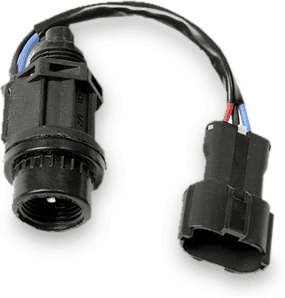
ENERGY CA0019S Speed sensorNumber of connectors: 3; Connector Shape: rectangular; Weight [kg]: 0,06; Vehicle Equipment: for vehicles with digital instrument cluster; Equipment Code: 816; TecDoc Engine Number: 4102, 4069, 9367, 4981, 4019, 4011, 4980, 4975, 11354, 4989, 4979, 4963, 4984, 9512, 15614, 9384, 3576, 4988, 4985, 9990, 5074, 5073, 5075, 5536, 17905, 5535, 9451, 9450, 9788, 16424, 9452, 9454, 9453, 9456, 22620, 17910, 10607, 9455, 15488, 15490, 15489, 16070, 13396, 4109; Transmission Type: 5-Speed Manual Transmission, Manual Transmission; Transmission ID: CHB/CHC/CHD/CHE; Vehicle Identification Number (VIN) to: ******8L*W*150000, ******1U*W*134200, ******1J*B*044157, ******1J*D*091223, ******1J*P*072544, ******1J*W*180709, ******1J*X*250000, 1J-B-044 157, 1J-D-091 223, 1J-P-072 544, 1J-W-180 7096,99 £*Shipping: 8,45 £Secure redirect to the provider
-
Ansmann Energy 16 Plus Speed Battery ChargerIntroducing the Ansmann Energy 16 Plus Speed Battery Charger - a versatile and efficient charging solution designed to meet the needs of both professional businesses and home consumers. This state-of-the-art charger is engineered to accommodate a wide range of battery sizes, including AA, AAA, C, D, and 9V cells, making it a highly adaptable option for numerous devices. Its capability to charge single cells independently, breaking the common limitation of requiring pairs for charging, sets it apart from many budget chargers on the market. This feature ensures maximum flexibility and efficiency in managing your charging needs. Key Features: Universal Compatibility: Charges AA, AAA, C, D, and 9V rechargeable batteries, catering to a broad spectrum of devices from remote controls to high-demand digital cameras. Individual Charging Slots: Unique ability to charge single cells, providing unparalleled convenience and reducing downtime. Fast Charging Technology: Equipped with advanced circuits to safely and quickly charge batteries, ensuring your devices are powered up in no time. Intelligent Microprocessor Control: Automatically detects the status of each battery, adjusting the charge to prevent overcharging and extend battery life. Multiple Safety Features: Includes overheat protection, short-circuit prevention, and a defective battery detection, guaranteeing a safe charging process. Dual USB Ports: 2 x 1A USB ports can charge external devices Technical Specifications: Input Voltage: 100-240V AC, suitable for global use. Charging Capacity: Up to 16 cells simultaneously (6 for D and C sizes, 4 for AA and AAA sizes, and 2 for 9V). Charge Indicators: Individual LED status indicators for each charging slot. Charging Times: Varies by battery type and capacity, with rapid charging technology for quick turnaround. Information on charging currents and maximum supported capacities AA charging current: 1000mA (applies when charging up to 12 batteries) AAA charging current: 400mA (applies when charging up to 12 batteries) C charging current: 1000mA (applies when charging up to 6 batteries) D charging current: 1000mA (applies when charging multiple batteries) 9V charging current: 60mA (applies when charging 1–2 batteries) USB output: 5V / 1000mA Common Use: Professional Equipment: Ideal for businesses requiring reliable performance in flashlights, cameras, and other professional gear. Home Electronics: Perfect for keeping household devices such as remote controls, toys, and portable audio equipment fully powered. Emergency Preparedness: Ensures readiness for emergencies by keeping a wide range of battery sizes charged for flashlights and radios. Environmental Impact: Reduces waste by extending the life of rechargeable batteries, contributing to a more sustainable lifestyle. The Ansmann Energy 16 Plus Speed Battery Charger stands out for its versatility, reliability, and efficiency. It offers an unparalleled charging solution with the ability to cater to a wide...87,95 £*Shipping: 2,49 £Secure redirect to the provider
-
SUPERZ. Budapest Dominance perfume extract M 50 mlSUPERZ. Budapest Dominance, 50 ml, Perfumes for Men, Treat yourself to a fragrance that will make you stand out in every situation. SUPERZ. Budapest Dominance pure perfume for men is an embodiment of exclusive luxury and its intricate composition will delight even the most discerning fragrance lovers. aromatic fragrance with herbal notes woody fragrance for natural-born leaders with a dynamic personality unique fragrance for special occasions74,37 £*Shipping: 3,99 £Secure redirect to the provider
-
All Categories Goods Precision High Speed Steel Drill Tapered Shank Bridge Reamer Precision High Speed Steel Drill Tapered Shank Bridge ReamerUpgrade your workshop with the ultimate precision tool for metalworking and construction projects. This highspeed steel drill is designed for professionals and DIY enthusiasts who demand accuracy, durability, and smooth operation. Its tapered shank...43,97 $*Shipping: 0,00 $Secure redirect to the provider
-
Which cells have chloroplasts?
Chloroplasts are found in plant cells and some algae cells. **
-
How are chloroplasts structured?
Chloroplasts are double-membrane organelles found in plant cells that contain their own DNA and ribosomes. They have a fluid-filled interior called the stroma, where the process of photosynthesis takes place. Within the stroma are stacks of thylakoid membranes called grana, which contain chlorophyll and other pigments that capture light energy. The thylakoid membranes are where the light-dependent reactions of photosynthesis occur, producing ATP and NADPH. Overall, the structure of chloroplasts is highly specialized for the process of photosynthesis, allowing plants to convert light energy into chemical energy. **
-
What are mitochondria and chloroplasts?
Mitochondria are membrane-bound organelles found in the cells of eukaryotic organisms, responsible for producing energy in the form of ATP through cellular respiration. They have their own DNA and are thought to have originated from ancient bacteria through endosymbiosis. Chloroplasts are also membrane-bound organelles found in plant cells and some protists, responsible for photosynthesis, the process by which they convert sunlight into energy-rich molecules like glucose. Like mitochondria, chloroplasts also have their own DNA and are believed to have originated from ancient photosynthetic bacteria through endosymbiosis. **
-
Can humans also have chloroplasts?
No, humans cannot have chloroplasts. Chloroplasts are organelles found in plant cells that are responsible for photosynthesis, the process by which plants convert sunlight into energy. Humans do not have chloroplasts because they do not undergo photosynthesis. Instead, humans rely on the consumption of plants and other organisms to obtain the energy they need for survival. **
Similar search terms for Chloroplasts
-
Drop Dash Deals Precision Bridge Reamer Spiral High Speed Steel Cutting Tool Precision Bridge Reamer Spiral High Speed Steel Cutting ToolUpgrade your metalworking projects with the 1 pc of Precision Bridge Reamer, engineered for craftsmen who demand accuracy and durability. This highquality tool features a spiral reamer design crafted from quenched highspeed steel, ensuring...45,97 $*Shipping: 0,00 $Secure redirect to the provider
-
Tools, Home & Hobby Compact Wood Router Variable Speed Palm Trimmer For Precision Woodworking Compact Wood Router Variable Speed Palm Trimmer For Precision WoodworkingTake your woodworking projects from rough cuts to flawless finishes with this powerful wood router designed for makers who value precision and control. Built for DIY enthusiasts, furniture builders, and professional craftsmen, this compact tool...99,97 $*Shipping: 0,00 $Secure redirect to the provider
-
All Categories Goods Premium Cordless Tile Vibration Leveling Machine For Speed Precision Tile Tool Premium Cordless Tile Vibration Leveling Machine For Speed Precision Tile ToolTransform tedious tile installation into a faster, smoother experience with this powerful tile vibration leveling machine designed for professionals and DIYers alike. Engineered for use with Makita 18V batteries, it delivers up to 16000RPM and 10...159,97 $*Shipping: 0,00 $Secure redirect to the provider
-
All Categories Goods Premium Tapered Shank High Speed Steel Reamer For Precision Drilling & Alignment Premium Tapered Shank High Speed Steel Reamer For Precision Drilling & AlignmentStep up your metalworking precision with a tool that professionals trust. This 1 pc of premium tapered shank drill reamer is engineered for accurate hole alignment and efficient enlargement in demanding environments. Whether youre assembling...45,97 $*Shipping: 0,00 $Secure redirect to the provider
-
How are chloroplasts and plastids formed?
Chloroplasts and plastids are formed through a process called biogenesis, which involves the replication of existing organelles. They are believed to have originated from endosymbiotic cyanobacteria that were engulfed by a eukaryotic cell. Over time, these cyanobacteria evolved into chloroplasts and plastids, developing a symbiotic relationship with the host cell. This process allowed for the transfer of genetic material between the organelles and the host cell, leading to the formation of chloroplasts and plastids as we know them today. **
-
What are the functions of chloroplasts?
Chloroplasts are the organelles responsible for photosynthesis in plant cells. Their main function is to capture light energy and convert it into chemical energy in the form of glucose, which serves as the primary source of energy for the plant. Chloroplasts also contain chlorophyll, the green pigment that gives plants their color and is essential for the absorption of light during photosynthesis. Additionally, chloroplasts are involved in the synthesis of other important molecules, such as amino acids and lipids, and play a role in the regulation of cellular metabolism. **
-
Why do chloroplasts have a double membrane?
Chloroplasts have a double membrane because they are believed to have originated from a process called endosymbiosis, where a eukaryotic cell engulfed a photosynthetic prokaryote. The double membrane likely represents the original prokaryotic cell's plasma membrane and the membrane of the vesicle that engulfed it. This double membrane structure helps protect the chloroplast's internal structures and allows for compartmentalization of different metabolic processes within the organelle. **
-
In which leaf cells are chloroplasts located?
Chloroplasts are located in the mesophyll cells of the leaf. Mesophyll cells are the main site of photosynthesis in the leaf, and they contain numerous chloroplasts, which are responsible for capturing light energy and converting it into chemical energy through the process of photosynthesis. The chloroplasts contain the pigment chlorophyll, which gives leaves their green color and is essential for the absorption of light energy. **
* All prices are inclusive of VAT and, if applicable, plus shipping costs. The offer information is based on the details provided by the respective shop and is updated through automated processes. Real-time updates do not occur, so deviations can occur in individual cases. ** Note: Parts of this content were created by AI.