Buy powerbike.eu ?
We are moving the project
powerbike.eu .
Are you interested in purchasing the domain
powerbike.eu ?
domain@kv-gmbh.de · 0541-91531010
Buy powerbike.eu ?
What are organizational professions?
Organizational professions refer to careers that involve working within a structured environment, such as corporations, government agencies, or non-profit organizations. These professions typically require individuals to possess strong organizational skills, the ability to work well within a team, and a good understanding of how to navigate complex systems and hierarchies. Examples of organizational professions include management, human resources, finance, and administration. **
What are organizational elements?
Organizational elements refer to the fundamental components that make up an organization's structure and functioning. These elements can include the organization's mission, vision, goals, policies, procedures, culture, leadership, communication channels, and decision-making processes. They are essential for creating a framework that guides the organization's operations and helps it achieve its objectives. By understanding and effectively managing these elements, organizations can improve their performance and adapt to changes in their environment. **

Similar search terms for Organizational
Top-Angebote
Products related to Organizational:
-
The Readers Paradise The Psychology of Management: Building and Sustaining a Strong Organizational Structure and Culture by Sanchit Khullar - Paperback - BusinessDiscover the practical guide to effective management with The Psychology of Management: Building and Sustaining a Strong Organizational Structure and Culture by Sanchit Khullar. This book offers a research-informed approach to leadership, blending psychological theory with real-world management practice. It explores how human behavior, motivation, and culture shape organizational performance, providing a deeper understanding of what makes workplaces thrive. Written for managers, HR professionals, executives, and business students, this book breaks down the complexities of leadership, making it an essential resource for anyone looking to improve their management skills.2,99 £*Shipping: 2,99 £Secure redirect to the provider
-
Ansmann Energy 16 Plus Speed Battery ChargerIntroducing the Ansmann Energy 16 Plus Speed Battery Charger - a versatile and efficient charging solution designed to meet the needs of both professional businesses and home consumers. This state-of-the-art charger is engineered to accommodate a wide range of battery sizes, including AA, AAA, C, D, and 9V cells, making it a highly adaptable option for numerous devices. Its capability to charge single cells independently, breaking the common limitation of requiring pairs for charging, sets it apart from many budget chargers on the market. This feature ensures maximum flexibility and efficiency in managing your charging needs. Key Features: Universal Compatibility: Charges AA, AAA, C, D, and 9V rechargeable batteries, catering to a broad spectrum of devices from remote controls to high-demand digital cameras. Individual Charging Slots: Unique ability to charge single cells, providing unparalleled convenience and reducing downtime. Fast Charging Technology: Equipped with advanced circuits to safely and quickly charge batteries, ensuring your devices are powered up in no time. Intelligent Microprocessor Control: Automatically detects the status of each battery, adjusting the charge to prevent overcharging and extend battery life. Multiple Safety Features: Includes overheat protection, short-circuit prevention, and a defective battery detection, guaranteeing a safe charging process. Dual USB Ports: 2 x 1A USB ports can charge external devices Technical Specifications: Input Voltage: 100-240V AC, suitable for global use. Charging Capacity: Up to 16 cells simultaneously (6 for D and C sizes, 4 for AA and AAA sizes, and 2 for 9V). Charge Indicators: Individual LED status indicators for each charging slot. Charging Times: Varies by battery type and capacity, with rapid charging technology for quick turnaround. Information on charging currents and maximum supported capacities AA charging current: 1000mA (applies when charging up to 12 batteries) AAA charging current: 400mA (applies when charging up to 12 batteries) C charging current: 1000mA (applies when charging up to 6 batteries) D charging current: 1000mA (applies when charging multiple batteries) 9V charging current: 60mA (applies when charging 1–2 batteries) USB output: 5V / 1000mA Common Use: Professional Equipment: Ideal for businesses requiring reliable performance in flashlights, cameras, and other professional gear. Home Electronics: Perfect for keeping household devices such as remote controls, toys, and portable audio equipment fully powered. Emergency Preparedness: Ensures readiness for emergencies by keeping a wide range of battery sizes charged for flashlights and radios. Environmental Impact: Reduces waste by extending the life of rechargeable batteries, contributing to a more sustainable lifestyle. The Ansmann Energy 16 Plus Speed Battery Charger stands out for its versatility, reliability, and efficiency. It offers an unparalleled charging solution with the ability to cater to a wide...87,95 £*Shipping: 2,49 £Secure redirect to the provider
-
All Categories Goods Precision High Speed Steel Drill Tapered Shank Bridge Reamer Precision High Speed Steel Drill Tapered Shank Bridge ReamerUpgrade your workshop with the ultimate precision tool for metalworking and construction projects. This highspeed steel drill is designed for professionals and DIY enthusiasts who demand accuracy, durability, and smooth operation. Its tapered shank...43,97 $*Shipping: 0,00 $Secure redirect to the provider
-
Uplifted Goods 360 Rotating 6 Claw Organizational Accessory Hub blackEstablish a high level of closet efficiency with this High Performance Vertical Space Optimization Interface. Engineered with a Reinforced Polymeric Structural Shield and a specialized sixprong claw frame, this hanger is designed to provide a...29,97 $*Shipping: 0,00 $Secure redirect to the provider


-
What are organizational tasks?
Organizational tasks are the specific activities and responsibilities that individuals or teams within an organization are responsible for completing in order to achieve the organization's goals. These tasks can include things like project management, scheduling, budgeting, coordinating team efforts, and ensuring that resources are allocated effectively. Organizational tasks are essential for maintaining order and efficiency within a company, and they help to ensure that everyone is working towards the same objectives. **
-
Which professions require organizational skills?
Many professions require organizational skills, including project management, event planning, administrative roles, and executive positions. In project management, organizational skills are essential for keeping track of timelines, resources, and team members. Event planners need strong organizational skills to coordinate all the details of an event, from vendors to schedules. Administrative roles require organizational skills to manage calendars, documents, and communication. Executive positions also require strong organizational skills to oversee multiple aspects of a business or organization. **
-
What is the organizational chart?
An organizational chart is a visual representation of the structure of an organization, showing the relationships and hierarchy between different positions and departments. It typically includes boxes representing different roles or positions, connected by lines to show the reporting relationships and lines of authority. Organizational charts are used to help employees understand the chain of command, communication channels, and reporting structure within the organization. They can also be used to identify areas of overlap or gaps in responsibilities. **
-
What is an ISO organizational standard?
An ISO organizational standard is a set of guidelines and best practices developed by the International Organization for Standardization (ISO) to help organizations improve their processes, products, and services. These standards are designed to ensure consistency, efficiency, and quality across various industries and sectors. By adhering to ISO standards, organizations can demonstrate their commitment to meeting customer requirements, complying with regulations, and continuously improving their operations. ISO standards cover a wide range of areas, including quality management, environmental management, information security, and occupational health and safety. **


How can organizational levels be described?
Organizational levels can be described as the different layers or tiers within a company's structure, each with its own set of responsibilities and authority. These levels typically include top-level management, middle management, and front-line employees. Top-level management is responsible for making strategic decisions and setting the overall direction of the organization, while middle management oversees the implementation of these strategies and coordinates the activities of front-line employees. Front-line employees are responsible for carrying out the day-to-day tasks necessary to achieve the organization's goals. Each level has its own distinct role and contributes to the overall functioning of the organization. **
What are the organizational levels in plants?
Plants have three main organizational levels: cells, tissues, and organs. Cells are the basic building blocks of plants and are organized into tissues, which are groups of cells that work together to perform specific functions. Organs are structures made up of different types of tissues that work together to carry out specific functions, such as leaves for photosynthesis or roots for absorption of water and nutrients. These levels of organization allow plants to efficiently carry out essential processes for growth and survival. **
Top-Angebote
Products related to Organizational:
-
Uplifted Goods 360 Rotating 6 Claw Organizational Accessory Hub goldEstablish a high level of closet efficiency with this High Performance Vertical Space Optimization Interface. Engineered with a Reinforced Polymeric Structural Shield and a specialized sixprong claw frame, this hanger is designed to provide a...29,97 $*Shipping: 0,00 $Secure redirect to the provider
-
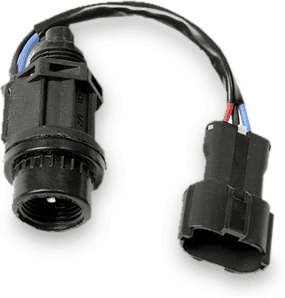
ENERGY CA0019S Speed sensorNumber of connectors: 3; Connector Shape: rectangular; Weight [kg]: 0,06; Vehicle Equipment: for vehicles with digital instrument cluster; Equipment Code: 816; TecDoc Engine Number: 4102, 4069, 9367, 4981, 4019, 4011, 4980, 4975, 11354, 4989, 4979, 4963, 4984, 9512, 15614, 9384, 3576, 4988, 4985, 9990, 5074, 5073, 5075, 5536, 17905, 5535, 9451, 9450, 9788, 16424, 9452, 9454, 9453, 9456, 22620, 17910, 10607, 9455, 15488, 15490, 15489, 16070, 13396, 4109; Transmission Type: 5-Speed Manual Transmission, Manual Transmission; Transmission ID: CHB/CHC/CHD/CHE; Vehicle Identification Number (VIN) to: ******8L*W*150000, ******1U*W*134200, ******1J*B*044157, ******1J*D*091223, ******1J*P*072544, ******1J*W*180709, ******1J*X*250000, 1J-B-044 157, 1J-D-091 223, 1J-P-072 544, 1J-W-180 7096,99 £*Shipping: 8,45 £Secure redirect to the provider
-
The Readers Paradise The Psychology of Management: Building and Sustaining a Strong Organizational Structure and Culture by Sanchit Khullar - Paperback - BusinessDiscover the practical guide to effective management with The Psychology of Management: Building and Sustaining a Strong Organizational Structure and Culture by Sanchit Khullar. This book offers a research-informed approach to leadership, blending psychological theory with real-world management practice. It explores how human behavior, motivation, and culture shape organizational performance, providing a deeper understanding of what makes workplaces thrive. Written for managers, HR professionals, executives, and business students, this book breaks down the complexities of leadership, making it an essential resource for anyone looking to improve their management skills.2,99 £*Shipping: 2,99 £Secure redirect to the provider
-
Ansmann Energy 16 Plus Speed Battery ChargerIntroducing the Ansmann Energy 16 Plus Speed Battery Charger - a versatile and efficient charging solution designed to meet the needs of both professional businesses and home consumers. This state-of-the-art charger is engineered to accommodate a wide range of battery sizes, including AA, AAA, C, D, and 9V cells, making it a highly adaptable option for numerous devices. Its capability to charge single cells independently, breaking the common limitation of requiring pairs for charging, sets it apart from many budget chargers on the market. This feature ensures maximum flexibility and efficiency in managing your charging needs. Key Features: Universal Compatibility: Charges AA, AAA, C, D, and 9V rechargeable batteries, catering to a broad spectrum of devices from remote controls to high-demand digital cameras. Individual Charging Slots: Unique ability to charge single cells, providing unparalleled convenience and reducing downtime. Fast Charging Technology: Equipped with advanced circuits to safely and quickly charge batteries, ensuring your devices are powered up in no time. Intelligent Microprocessor Control: Automatically detects the status of each battery, adjusting the charge to prevent overcharging and extend battery life. Multiple Safety Features: Includes overheat protection, short-circuit prevention, and a defective battery detection, guaranteeing a safe charging process. Dual USB Ports: 2 x 1A USB ports can charge external devices Technical Specifications: Input Voltage: 100-240V AC, suitable for global use. Charging Capacity: Up to 16 cells simultaneously (6 for D and C sizes, 4 for AA and AAA sizes, and 2 for 9V). Charge Indicators: Individual LED status indicators for each charging slot. Charging Times: Varies by battery type and capacity, with rapid charging technology for quick turnaround. Information on charging currents and maximum supported capacities AA charging current: 1000mA (applies when charging up to 12 batteries) AAA charging current: 400mA (applies when charging up to 12 batteries) C charging current: 1000mA (applies when charging up to 6 batteries) D charging current: 1000mA (applies when charging multiple batteries) 9V charging current: 60mA (applies when charging 1–2 batteries) USB output: 5V / 1000mA Common Use: Professional Equipment: Ideal for businesses requiring reliable performance in flashlights, cameras, and other professional gear. Home Electronics: Perfect for keeping household devices such as remote controls, toys, and portable audio equipment fully powered. Emergency Preparedness: Ensures readiness for emergencies by keeping a wide range of battery sizes charged for flashlights and radios. Environmental Impact: Reduces waste by extending the life of rechargeable batteries, contributing to a more sustainable lifestyle. The Ansmann Energy 16 Plus Speed Battery Charger stands out for its versatility, reliability, and efficiency. It offers an unparalleled charging solution with the ability to cater to a wide...87,95 £*Shipping: 2,49 £Secure redirect to the provider
-
What are organizational professions?
Organizational professions refer to careers that involve working within a structured environment, such as corporations, government agencies, or non-profit organizations. These professions typically require individuals to possess strong organizational skills, the ability to work well within a team, and a good understanding of how to navigate complex systems and hierarchies. Examples of organizational professions include management, human resources, finance, and administration. **
-
What are organizational elements?
Organizational elements refer to the fundamental components that make up an organization's structure and functioning. These elements can include the organization's mission, vision, goals, policies, procedures, culture, leadership, communication channels, and decision-making processes. They are essential for creating a framework that guides the organization's operations and helps it achieve its objectives. By understanding and effectively managing these elements, organizations can improve their performance and adapt to changes in their environment. **
-
What are organizational tasks?
Organizational tasks are the specific activities and responsibilities that individuals or teams within an organization are responsible for completing in order to achieve the organization's goals. These tasks can include things like project management, scheduling, budgeting, coordinating team efforts, and ensuring that resources are allocated effectively. Organizational tasks are essential for maintaining order and efficiency within a company, and they help to ensure that everyone is working towards the same objectives. **
-
Which professions require organizational skills?
Many professions require organizational skills, including project management, event planning, administrative roles, and executive positions. In project management, organizational skills are essential for keeping track of timelines, resources, and team members. Event planners need strong organizational skills to coordinate all the details of an event, from vendors to schedules. Administrative roles require organizational skills to manage calendars, documents, and communication. Executive positions also require strong organizational skills to oversee multiple aspects of a business or organization. **
Similar search terms for Organizational
-
All Categories Goods Precision High Speed Steel Drill Tapered Shank Bridge Reamer Precision High Speed Steel Drill Tapered Shank Bridge ReamerUpgrade your workshop with the ultimate precision tool for metalworking and construction projects. This highspeed steel drill is designed for professionals and DIY enthusiasts who demand accuracy, durability, and smooth operation. Its tapered shank...43,97 $*Shipping: 0,00 $Secure redirect to the provider
-
Uplifted Goods 360 Rotating 6 Claw Organizational Accessory Hub blackEstablish a high level of closet efficiency with this High Performance Vertical Space Optimization Interface. Engineered with a Reinforced Polymeric Structural Shield and a specialized sixprong claw frame, this hanger is designed to provide a...29,97 $*Shipping: 0,00 $Secure redirect to the provider
-
Uplifted Goods 360 Rotating 6 Claw Organizational Accessory Hub set 4Establish a high level of closet efficiency with this High Performance Vertical Space Optimization Interface. Engineered with a Reinforced Polymeric Structural Shield and a specialized sixprong claw frame, this hanger is designed to provide a...44,97 $*Shipping: 0,00 $Secure redirect to the provider
-
Uplifted Goods 360 Rotating 6 Claw Organizational Accessory Hub set 1Establish a high level of closet efficiency with this High Performance Vertical Space Optimization Interface. Engineered with a Reinforced Polymeric Structural Shield and a specialized sixprong claw frame, this hanger is designed to provide a...44,97 $*Shipping: 0,00 $Secure redirect to the provider
-
What is the organizational chart?
An organizational chart is a visual representation of the structure of an organization, showing the relationships and hierarchy between different positions and departments. It typically includes boxes representing different roles or positions, connected by lines to show the reporting relationships and lines of authority. Organizational charts are used to help employees understand the chain of command, communication channels, and reporting structure within the organization. They can also be used to identify areas of overlap or gaps in responsibilities. **
-
What is an ISO organizational standard?
An ISO organizational standard is a set of guidelines and best practices developed by the International Organization for Standardization (ISO) to help organizations improve their processes, products, and services. These standards are designed to ensure consistency, efficiency, and quality across various industries and sectors. By adhering to ISO standards, organizations can demonstrate their commitment to meeting customer requirements, complying with regulations, and continuously improving their operations. ISO standards cover a wide range of areas, including quality management, environmental management, information security, and occupational health and safety. **
-
How can organizational levels be described?
Organizational levels can be described as the different layers or tiers within a company's structure, each with its own set of responsibilities and authority. These levels typically include top-level management, middle management, and front-line employees. Top-level management is responsible for making strategic decisions and setting the overall direction of the organization, while middle management oversees the implementation of these strategies and coordinates the activities of front-line employees. Front-line employees are responsible for carrying out the day-to-day tasks necessary to achieve the organization's goals. Each level has its own distinct role and contributes to the overall functioning of the organization. **
-
What are the organizational levels in plants?
Plants have three main organizational levels: cells, tissues, and organs. Cells are the basic building blocks of plants and are organized into tissues, which are groups of cells that work together to perform specific functions. Organs are structures made up of different types of tissues that work together to carry out specific functions, such as leaves for photosynthesis or roots for absorption of water and nutrients. These levels of organization allow plants to efficiently carry out essential processes for growth and survival. **
* All prices are inclusive of VAT and, if applicable, plus shipping costs. The offer information is based on the details provided by the respective shop and is updated through automated processes. Real-time updates do not occur, so deviations can occur in individual cases. ** Note: Parts of this content were created by AI.